
The Allure of Casino Games
The world of casinos is often viewed as a captivating realm filled with excitement, anticipation, and the potential for fortune. This allure can be traced back to the psychological principles that govern human behavior and decision-making. People are drawn to the thrill of uncertainty, where the prospect of winning sparks an adrenaline rush. Many players enjoy the best online pokies for their chance to experience the excitement of potentially changing one’s financial situation, creating a compelling draw that leads individuals to seek out these experiences repeatedly, despite the inherent risks involved.
Moreover, the design of casino environments plays a critical role in amplifying this allure. Bright lights, vibrant colors, and enticing sounds create a sensory overload that stimulates excitement and draws players in. The atmosphere is carefully crafted to distract players from the realities of time and money, enhancing their willingness to take risks. This environment transforms what may begin as a casual visit into an all-encompassing experience, where players lose themselves in the thrill of the moment. The combination of visual and auditory stimuli sets the stage for immersive gameplay, fostering a heightened sense of engagement.
Additionally, the social aspects of casino games contribute significantly to their appeal. Humans are inherently social creatures, and sharing experiences can intensify emotions, whether it’s celebrating a win with friends or collectively mourning a loss. Casinos often capitalize on this by providing communal spaces where people can interact, creating a shared atmosphere of tension and thrill. This social element reinforces the overall attraction, turning individual gameplay into a communal adventure. As players engage with one another, they form connections that can enhance their enjoyment and experience, often leading to longer gaming sessions.
The Role of Cognitive Biases
Cognitive biases heavily influence how individuals perceive their chances of winning in casino games. The gambler’s fallacy, for instance, is a prevalent belief that past outcomes affect future events. A player might think that after a series of losses, a win is inevitable, leading them to continue wagering. This flawed reasoning can drive individuals to chase losses and make irrational betting decisions, often resulting in significant financial repercussions. Understanding this cognitive bias is essential in recognizing how it shapes gambling behavior and influences the decisions that players make.
Confirmation bias also plays a significant role in casino psychology. Players often seek out information that confirms their positive beliefs about their chances of winning while ignoring evidence that contradicts this narrative. For example, someone who believes they have a lucky strategy may only remember the times they won and dismiss the numerous losses incurred. This selective memory reinforces their commitment to gambling, further entrenching their participation in games despite unfavorable odds. Such biases not only impact individual players but can also create a culture within the casino that perpetuates these misconceptions.
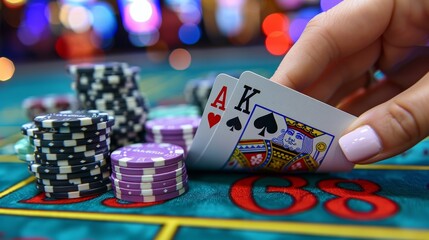
The illusion of control is another cognitive bias that frequently manifests in casino settings. Many players believe they have control over the game through their choices, despite the inherent randomness of games like slots or roulette. This belief can lead to overconfidence, driving players to engage more deeply and for longer periods. The illusion of control can create an addictive cycle where players feel empowered, even as they face increasing financial risks. Understanding these biases is crucial for both players and casino operators in promoting responsible gaming practices.
Emotion and Risk-Taking Behavior
The emotional responses triggered during gameplay profoundly impact a player’s willingness to take risks. The excitement associated with the possibility of winning can lead to emotional highs that encourage further betting. Conversely, feelings of loss can provoke anger or frustration, leading players to increase their stakes in an attempt to recover previous losses. This emotional rollercoaster is a significant factor in the psychology of gambling, often overshadowing rational decision-making. The interplay of emotions can create a cycle of risk-taking that is hard for many players to break free from.
Anxiety and stress also play a role in risk-taking behavior within casino environments. For some, the stakes involved create a thrilling challenge, while for others, it can lead to debilitating stress. Those who thrive under pressure may find themselves drawn to high-stakes games, seeking the emotional rush that comes with potential large wins. Conversely, individuals who experience increased anxiety may find themselves trapped in a cycle of playing for longer periods in hopes of recovering losses, often exacerbating their stress. This dynamic highlights the importance of understanding one’s emotional triggers within the gambling context.
Moreover, the concept of loss aversion, which suggests that losses affect individuals more than an equivalent amount of gains, is critical in this context. Players may continue gambling to avoid the pain of a loss, prioritizing the potential for recovery over the rationality of stopping. This emotional drive can lead players to take excessive risks, pushing them to wager even after significant losses. Loss aversion illustrates how intertwined emotion and decision-making are in the realm of casino gambling, often leading to irrational behaviors that can have serious consequences.
The Impact of Superstitions and Rituals
Superstitions and rituals are prevalent in gambling culture, influencing player behavior and decision-making. Many gamblers engage in specific behaviors, such as wearing lucky clothing or performing particular movements before making a wager. These rituals serve to create a sense of control and personal agency in an otherwise random environment. The belief that these actions can affect outcomes provides players with comfort and confidence, often leading to increased engagement in gameplay. This psychological phenomenon underscores the importance of understanding how belief systems can shape gambling behavior.

The psychological impact of rituals can be significant. By creating a habitual routine, players may feel more in control and reduce anxiety associated with uncertainty. This behavior often fosters a deeper emotional connection to the game, making it difficult to break away from gambling habits. Even in the face of repeated losses, players may cling to their superstitions, believing that a change in behavior can alter their fortune. This attachment to rituals can create a cycle of dependency, where players feel compelled to adhere to these practices despite their lack of efficacy.
Furthermore, casinos are well aware of the influence of superstitions and often incorporate elements that cater to these beliefs. The use of symbols like lucky numbers, colors, and themes can enhance players’ experiences, reinforcing their superstitious tendencies. This interplay between belief and design creates an environment where players are continuously engaged, increasing the likelihood of prolonged gambling sessions fueled by hope and expectation. By understanding the power of superstition, casinos can better tailor their marketing and operational strategies to align with player psychology.
Understanding the Casino Experience
To encapsulate the multifaceted nature of casino games, it is crucial to examine how individual psychology intertwines with the broader casino experience. The combination of environmental stimuli, cognitive biases, emotional responses, and social interactions creates a unique atmosphere that captivates players. By understanding these psychological elements, stakeholders within the industry can work to promote responsible gambling practices and awareness programs that address potential risks. Awareness of the psychological factors at play can help both players and operators navigate the complexities of gambling.
Furthermore, casinos must recognize the responsibility they hold in shaping player experiences. By fostering a culture of awareness and promoting transparency regarding the odds and risks involved in gambling, operators can help mitigate the adverse psychological effects that can result from excessive gambling. Educational initiatives aimed at informing players about cognitive biases and emotional triggers can empower individuals to make more rational decisions. This proactive approach can lead to healthier gambling habits and reduce the incidence of problem gambling.
Ultimately, exploring the psychology behind casino games provides invaluable insights into the human experience of gambling. Recognizing the intricate interplay between environmental factors, emotional responses, and cognitive biases can lead to a more informed approach to gambling. As awareness grows, players can navigate their experiences with a clearer understanding of the psychological influences at play, fostering a healthier relationship with gaming and its inherent risks. Understanding the casino experience through a psychological lens can lead to a more balanced and responsible approach to gambling activities.
